
This page is designed for the moment when a buyer asks: can this factory really support our project? The copy now focuses on production environment, QC checkpoints, hardware advantages, and process discipline in a way that feels more natural to U.S. and European B2B buyers.
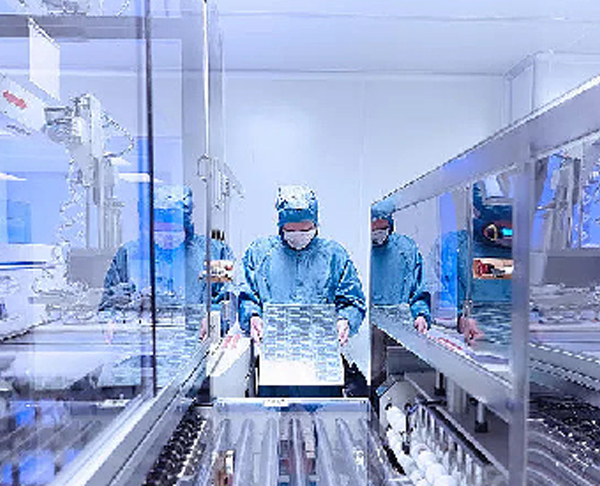
LAEYO presents its manufacturing system around GMPC-oriented process control and ISO 22716-style discipline, with clean workshops, sterile automated filling, purified-water management, and centralized production oversight designed to support stable output and repeatability.
LAEYO already uses a strong conversion message on its English site: buyers can request a live video walkthrough or arrange an on-site visit in Guangzhou. That is smart B2B copy because it moves the conversation from claims to verification.
The point of this section is not just to show equipment. It is to show operational readiness.
Structured and standardized production areas help support cleaner workflows, better process control, and more predictable scale-up.
A clean production environment matters to buyers because it directly affects hygiene confidence in skincare and personal-care manufacturing.
This is the kind of manufacturing language buyers look for when they want assurance that operations are system-driven rather than improvised.
Useful proof point for repeat orders, multi-SKU launches, and buyers who need capacity beyond small trial runs.
Water quality is a meaningful manufacturing signal in products where microbiological safety and formula stability both matter.
Supports the broader clean-factory narrative and reinforces hygiene-control credibility.
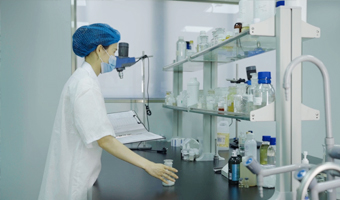
Lab capability supports quality control, sample validation, and a more disciplined transition from R&D to production.
This is not only an R&D asset. It is also a commercial advantage for buyers who want faster launch options and lower development friction.
These checkpoints matter because they show how quality is controlled before, during, and after production.
New packaging components are sample-tested before use, while routine incoming packaging batches are inspected to confirm suitability and safety.
Raw materials are checked batch by batch according to their characteristics so safety, effectiveness, and usability are controlled from the start.
Batch-level testing helps protect product consistency and reduces release risk before goods move to final packaging and shipment.
The production-water system is backed by daily internal checks and periodic third-party testing, which is highly relevant for quality-conscious buyers.
Airborne microbes, personnel hygiene, equipment, and support tools are monitored to maintain clean-area standards throughout production.
First-article confirmation and in-process checks help catch issues early and keep production aligned before errors affect the full batch.
The English manufacturing page uses exactly the kind of wording that helps a factory page convert: strict quality and safety control, formula stability testing, bottle tightness testing, bottle-filling testing, and digital proofing for labels and color boxes before production confirmation.
That kind of wording matters because it tells buyers the factory is thinking about commercial execution, not only about machinery. It shows how product, packaging, and release are managed together.
A strong factory page helps sales by answering the buyer’s technical questions earlier.
Buyers can evaluate production environment, hygiene control, and QA discipline before they even request samples.
When the process is clear, buyers send more realistic briefs, timing expectations, and packaging requirements.
This page should keep sending visitors to category pages, OEM/ODM solution pages, and the RFQ form where conversion actually happens.