


LAEYO supports three practical ways to build a cosmetics line: Private Label for faster launches, ODM for stronger product differentiation, and OEM for buyers who need more defined execution and manufacturing control. The right path depends on your formula expectations, timeline, packaging readiness, and target market.
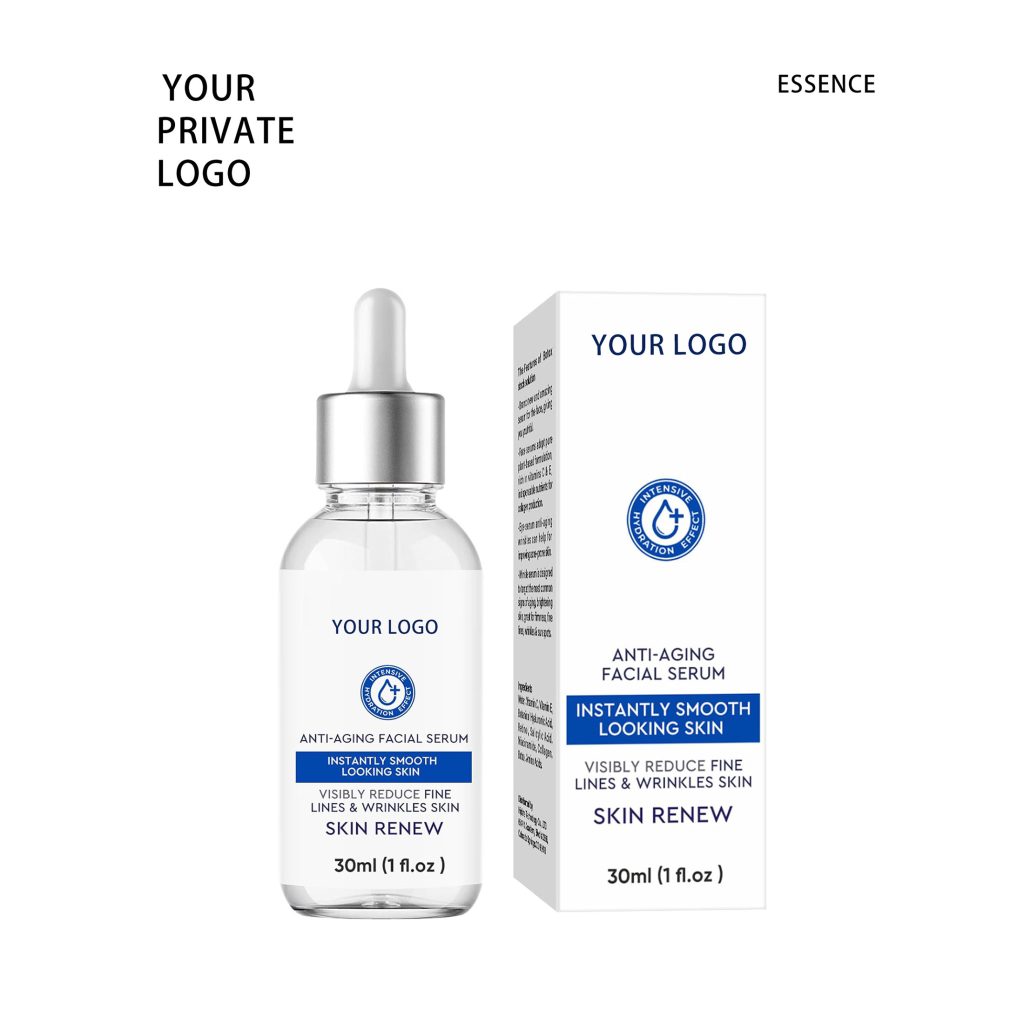
Best when you want a faster path to market using ready-to-adapt formulas, category experience, and coordinated packaging support.
Best when your brand needs more customized texture, ingredients, fragrance direction, or product storytelling than a standard formula route can offer.
Best when you already have a clearer product direction and need disciplined manufacturing, filling, packaging, and quality execution.
These three models work because they sit on top of real operating capability: broad category coverage, an established formula base, a 2+3 R&D platform, modern production capacity, and visible quality checkpoints. Buyers do not need to start from the same point, but they do need a route that matches their commercial reality.
These are the working topics that shape quotation quality, sample speed, and production readiness.
Project review, formula direction, pack match, sample rounds, and approval checkpoints before bulk production.
Bottle, jar, pump, carton, labeling, and visual-direction coordination so the product and pack move forward together.
Clear quantity expectations, scheduling logic, and scale-up planning help both sides avoid unrealistic starts.
INCI, COA, SDS, labeling awareness, and target-market considerations should be aligned early, not after sampling.
Raw material review, packaging checks, in-process inspection, and finished-product control are essential for stable repeat orders.
The clearer the product family, channel, and price band, the easier it is to recommend the right model and shorten the sales cycle.
The value is not only product development or manufacturing. It is the ability to keep projects moving with fewer gaps between R&D, sourcing, packaging, production, and quality control.
Skincare, hair care, body care, fragrance, and adjacent daily-care categories allow buyers to build ranges with one supplier relationship.
The 2+3 R&D platform supports both practical formula matching and more differentiated concept development.
Modern workshops, process discipline, and visible QC checkpoints help turn approved samples into repeatable production.
When formula, packaging, documentation, and manufacturing are coordinated under one system, communication becomes easier and risk goes down.